

What is sensory play?
Sensory play is any play where children explore through their senses: touching, squeezing, pouring, watching, listening, smelling and, when the materials are safe for it, tasting. It is usually messy, and children learn a lot while they make the mess.
- Builds neural connections
- Lays the foundation for complex learning and problem-solving
- Develops fine and gross motor skills
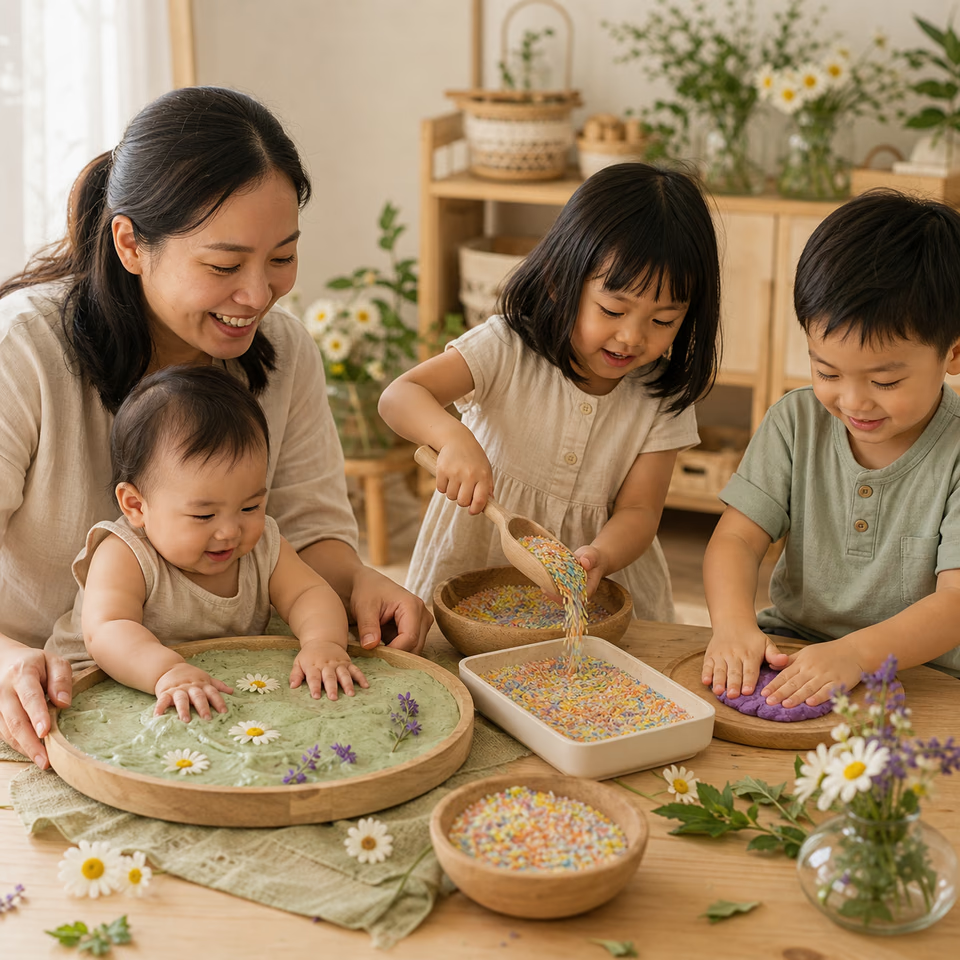

For babies, toddlers and growing explorers
Each session is set up so babies, toddlers and older children can all find something to do.
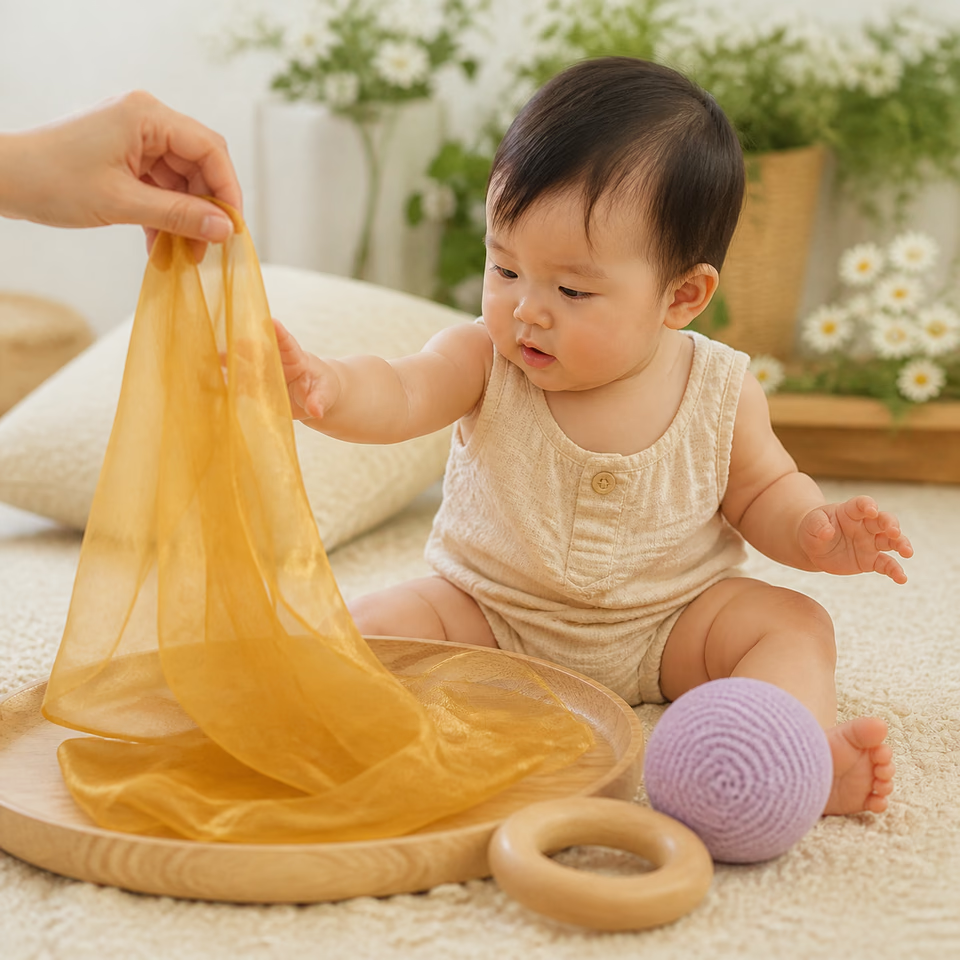
Infants
Babies explore quietly. They watch materials move, reach out, listen to new sounds and feel soft textures.
Infants aged 7–12 months pay half price for sensory play sessions.
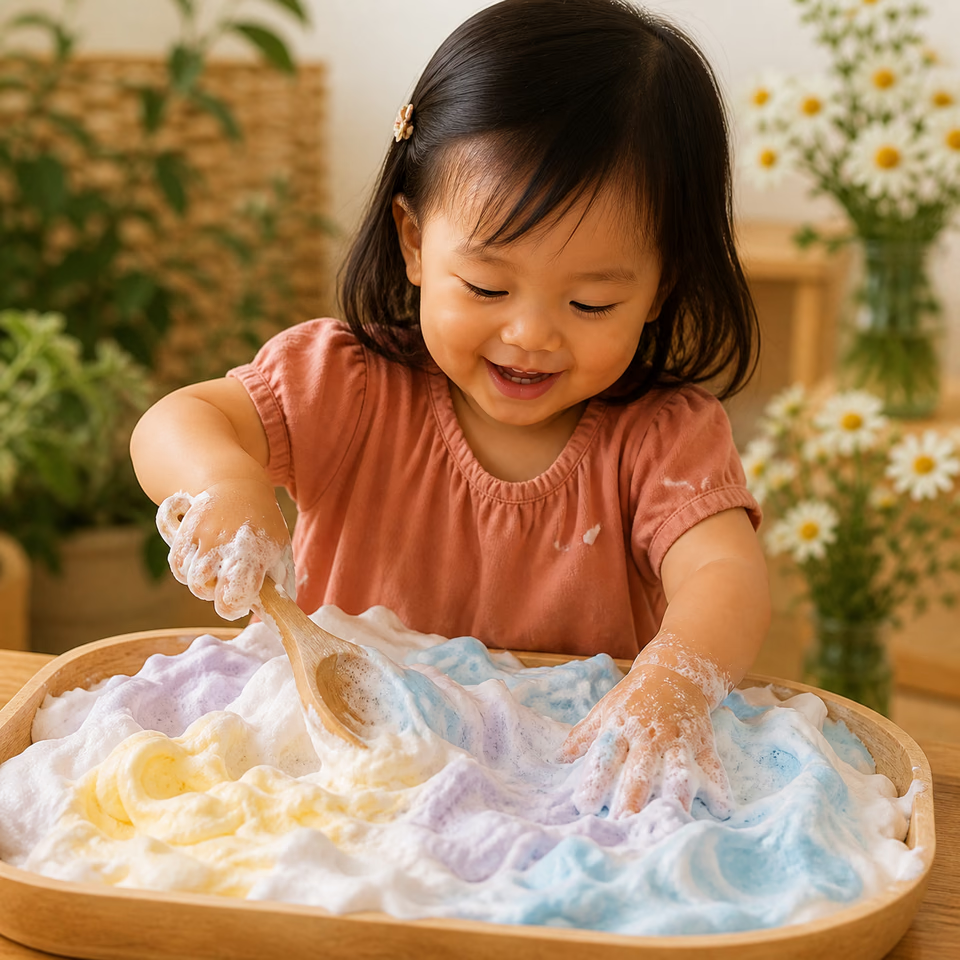
Toddlers
Toddlers love repetition: fill, pour, spill, fill again. Each round builds coordination and confidence.
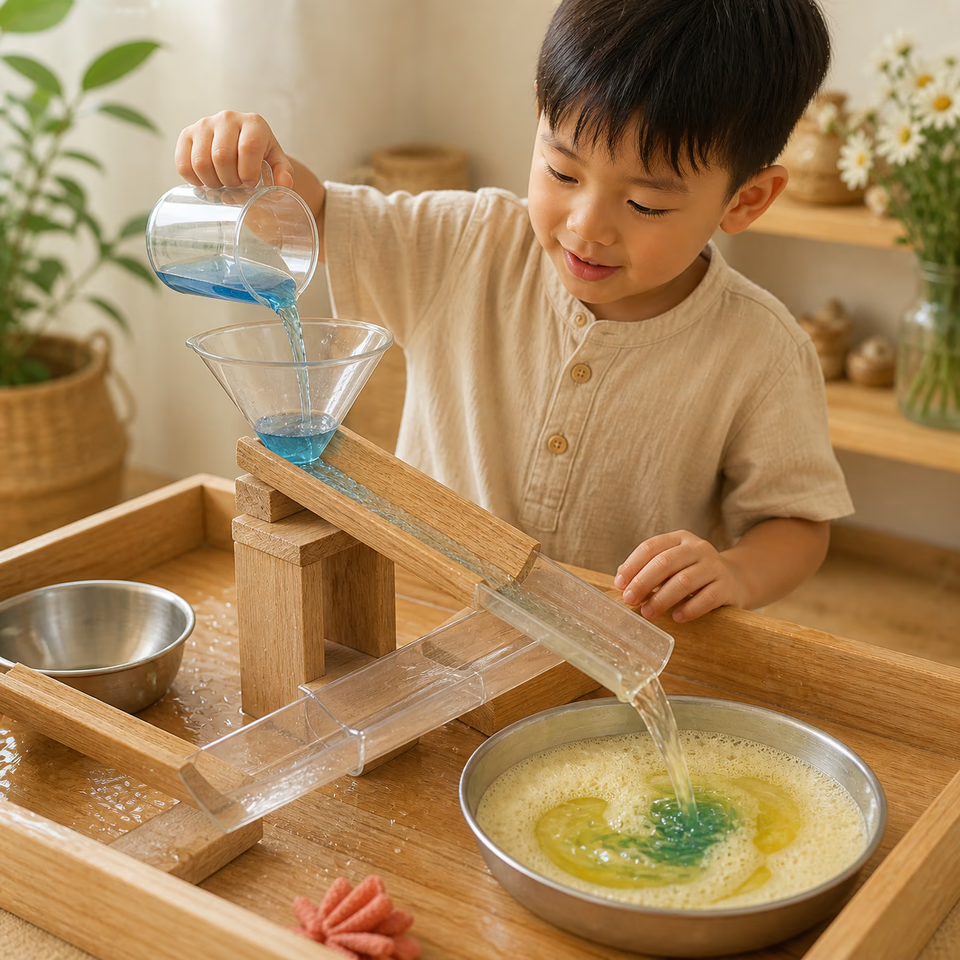
Older children
Older children invent stories and experiments, mixing materials in ways we never planned.


Why sensory play matters
Children learn by doing. The scooping, pouring and squashing in a session is practice for skills they’ll use every day.
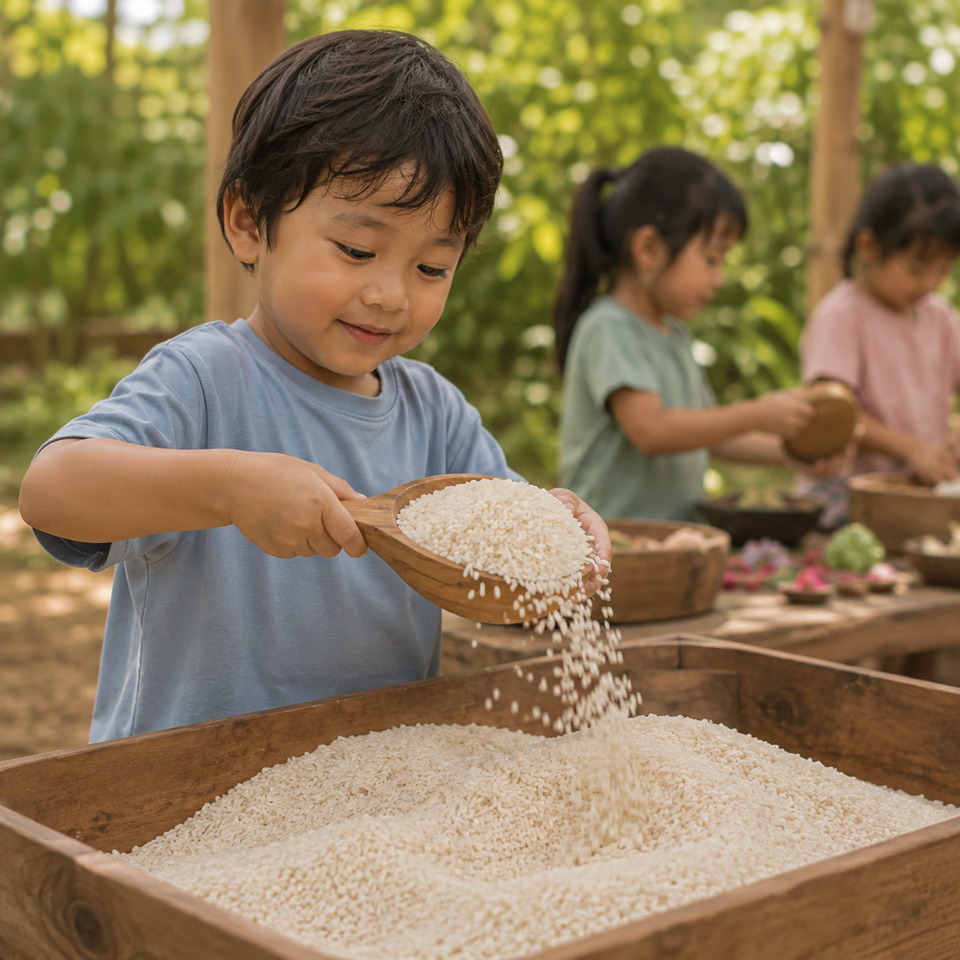
Growing bodies
Scooping, squeezing and pouring strengthen small hands. Moving around the space works on balance and coordination.
“I did it!”
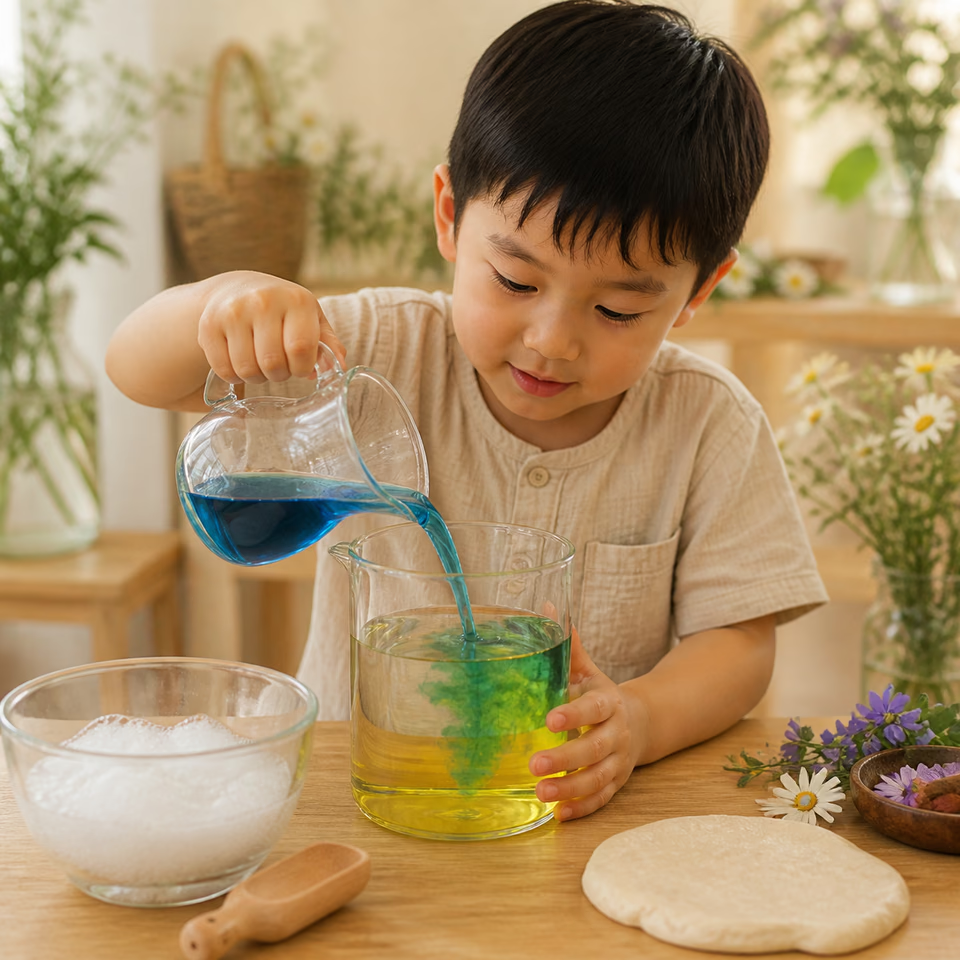
Curious minds
Children test ideas, see what happens and learn to try again.
“Oh! A new colour!”
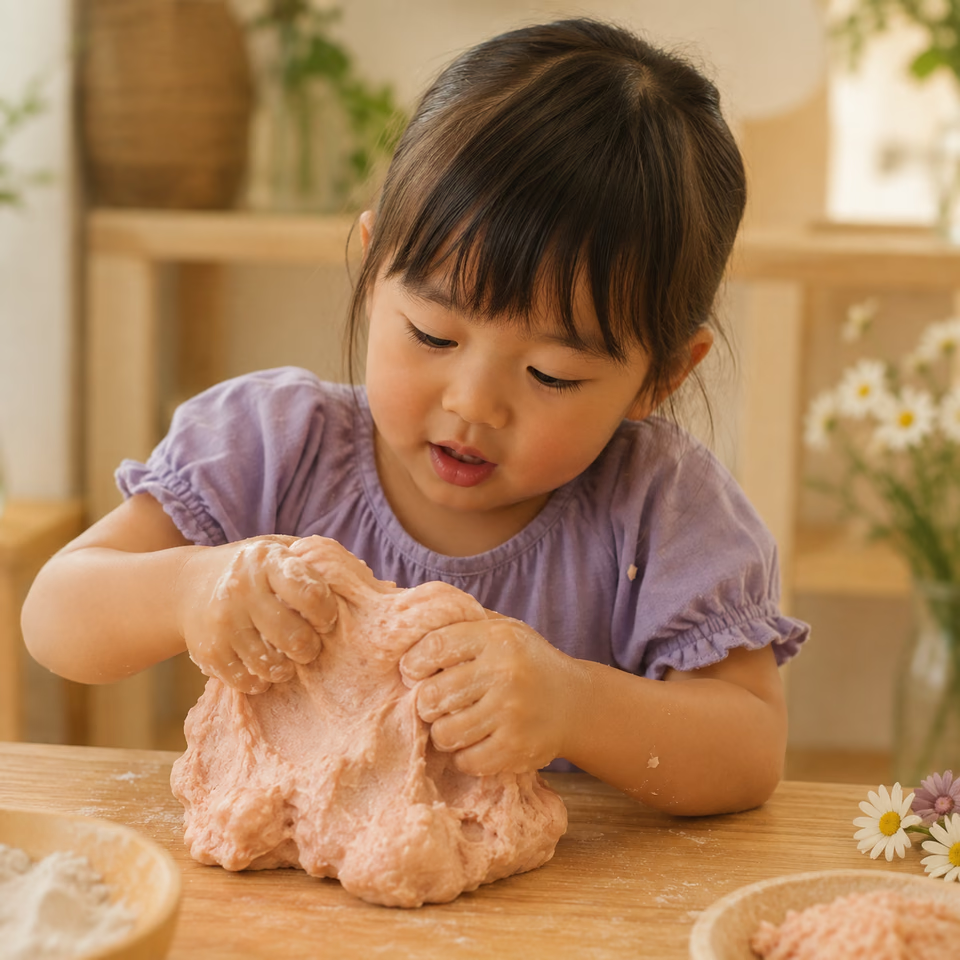
Growing language
Words like “mushy” and “cold” make sense when children can feel what they mean.
“It’s mushy!”
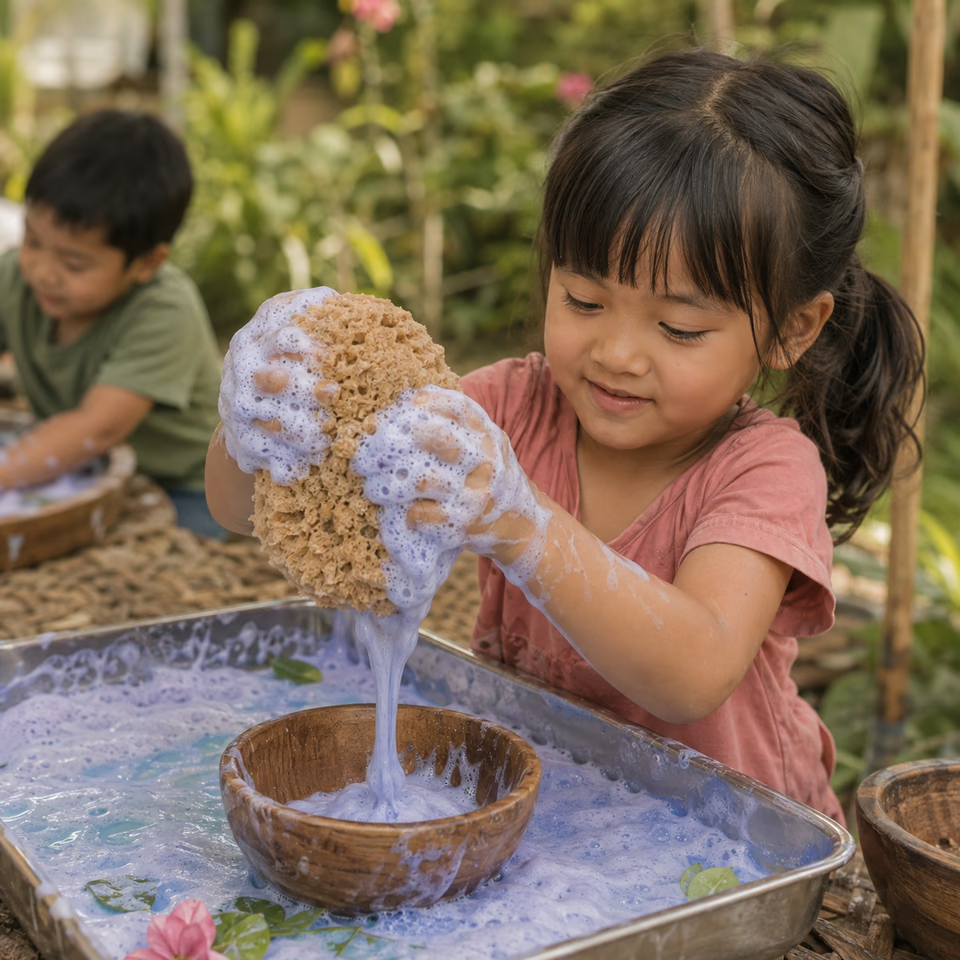
Confidence and independence
Children make their own choices and learn that there is more than one way to play.
“I want to try it my way.”
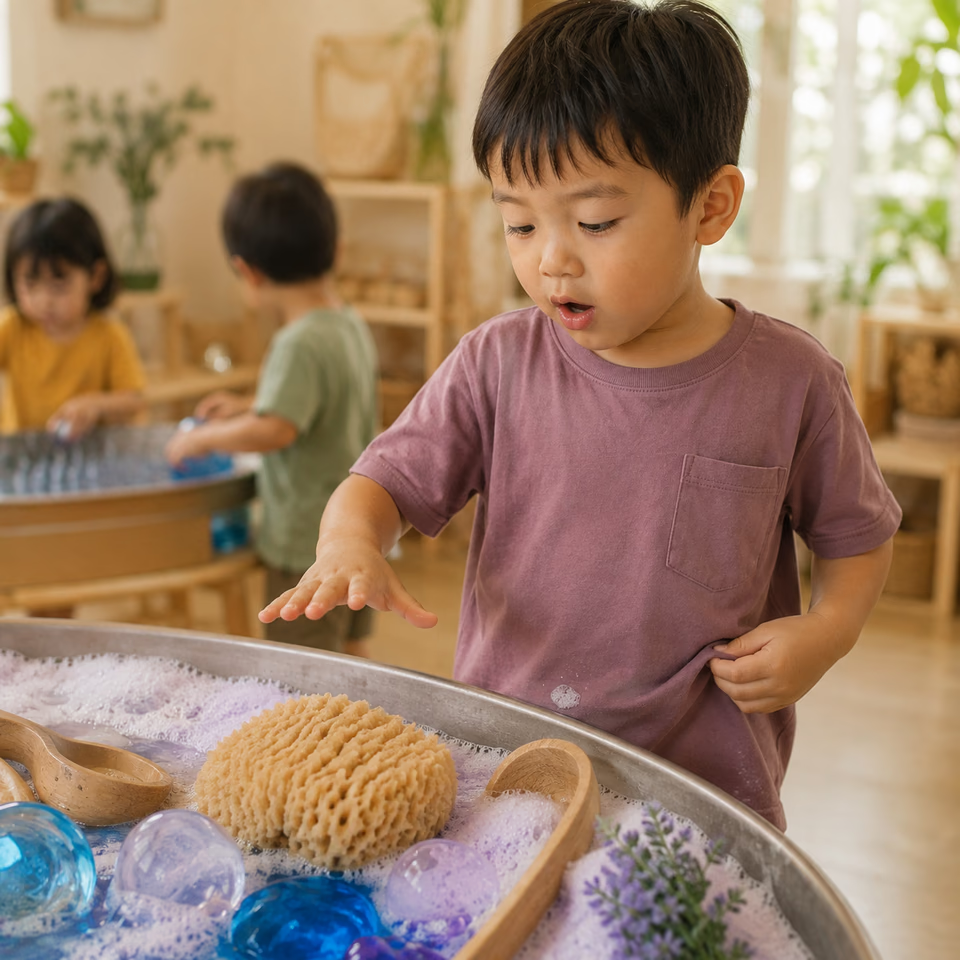
Emotional and sensory awareness
Children notice what feels good, what feels too much and when they need a break.
“That one feels like too much.”
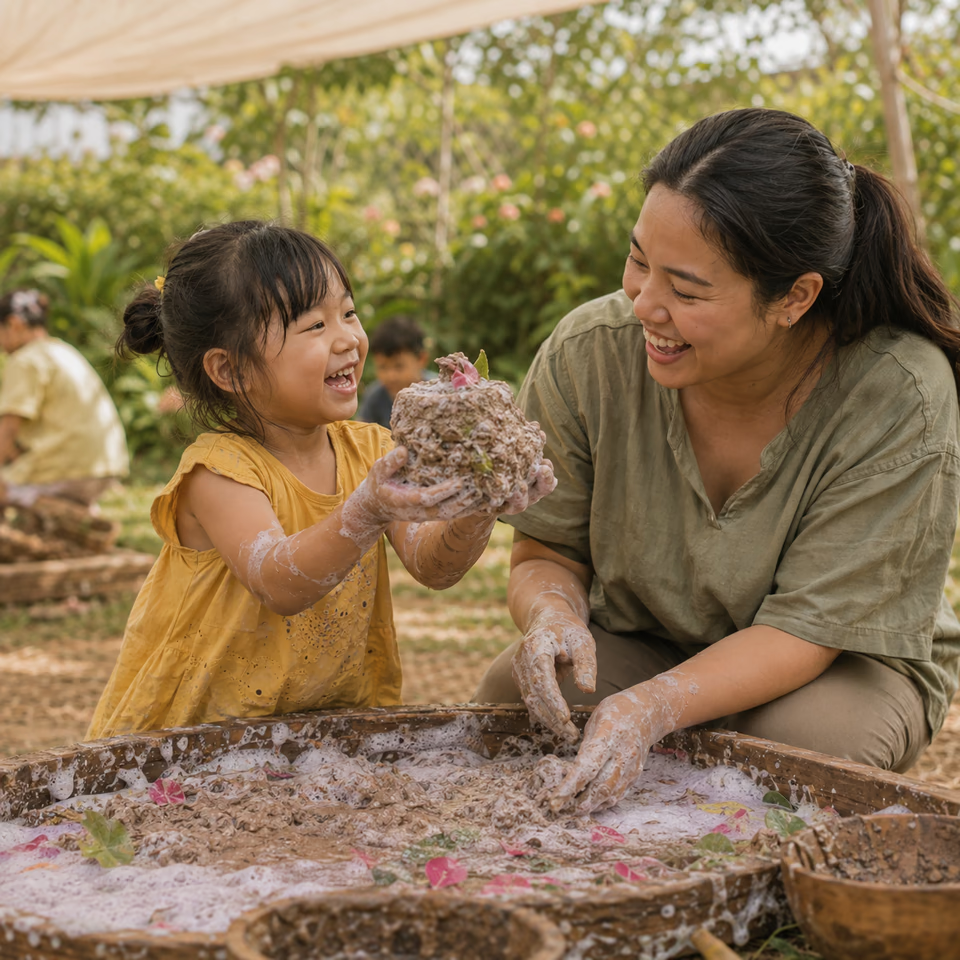
Connection through play
Playing side by side builds trust, and children practise early social skills like taking turns.
“Come and see what I made!”
A closer look at each area
The article goes through all 6 areas, with examples of what children are practising while they scoop, squash and pour.